
Facilities management software for colleges and universities
A campus runs more buildings than any one person can walk: residence halls, labs, athletics, academic buildings and the plant that serves them. TrackVia takes the request, routes it to the right trade shop, and keeps the record of what was done to which building. It helps lean campus teams do more with the staff and budget they already have.
- Offline-ready mobile
- 6,000+ integrations
- Changes with you
Production applications
Running real operations today
Field submissions a month
Workflows moving through from the field
Operational records
Managed on the platform
Uptime
Commercial, Government and HIPAA environments
Every building on campus, in one queue
TrackVia runs the facilities side of a campus: work requests, preventive maintenance, and inspections and safety. Enrollment, registration and grading stay in the student information system, and capital projects stay with the institution's construction partners.
A request from a building coordinator, a department administrator or a residence life staff member is routed by trade and building, with a status the requester can see, and every completed job writes to that building and that asset. A year of records tells you which buildings need the capital and which need the attention.
- Requests routed by trade and building, raisable by staff without a license
- Boilers, chillers, HVAC, roofs, labs and fleet on schedules that raise their own work
- Fire and life-safety checks with the corrective work they raise
- Equipment and campus property tracked through transfers, repairs and end-of-life disposition
- Work orders, parts and labor rolled up by building, campus and system
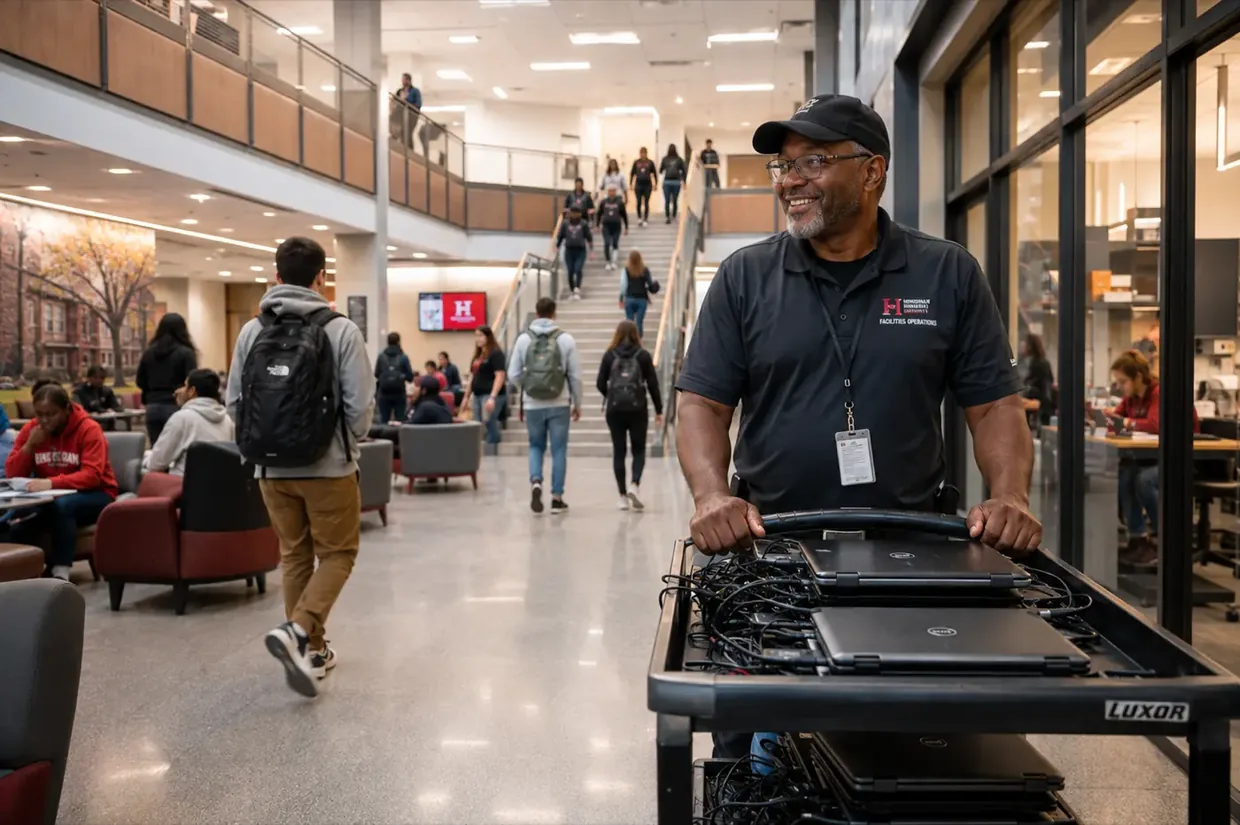
What campus facilities teams get out of it
The same four things, whether it is one campus or fifty.
Everyone stays informed
Requesters get automatic updates on their work, and central teams can see progress in real time across all projects.
Summer work is planned in advance
Preventive schedules and a year of history make the summer program a list you already have rather than one assembled in June.
Ongoing data drives capital decisions
See which buildings and assets need the most maintenance over time, and which may be ready to be replaced.
Staff can raise a request without a license
Requests come in from a form anyone can use; only the people who action the work need to be users.
Every kind of building on campus
The work differs by building. The queue does not.
Residence halls and student life
Turn requests, room condition records and break-period readiness into scheduled work, with a request anyone in the building can raise and a status they can see without calling the shop.
Labs, athletics and academic buildings
Equipment with its own inspection cadence, safety requirements that carry real consequence, and a service history that stays attached to the room through every renovation and every change of department.
Central plant and grounds
Boilers, chillers, roofs and distribution on preventive schedules that raise their own work, with parts and labor rolled up by building so the plant is visible in the capital conversation.
5 ways to keep campus operations running with fewer resources
Five places campus work slips, from maintenance requests and inspections to assets and reporting, written for college and university facilities leaders.
Get the guideCustomers running connected operations
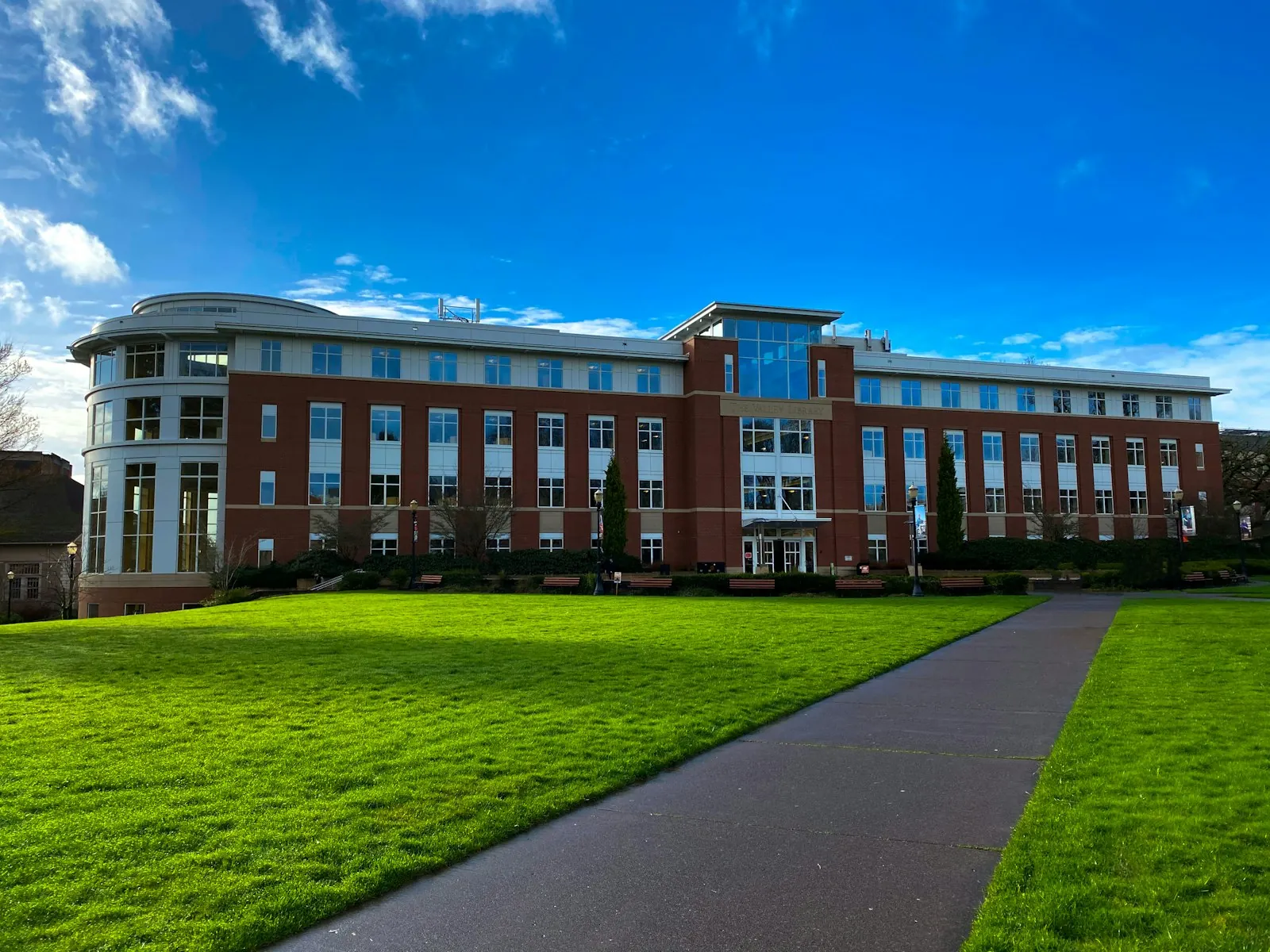
Six Applications, One Operating Model: Inside a Large Public 4-Year University
Higher education. Six connected applications for inventory, property and surplus.
Large Public 4-Year University
Read their full story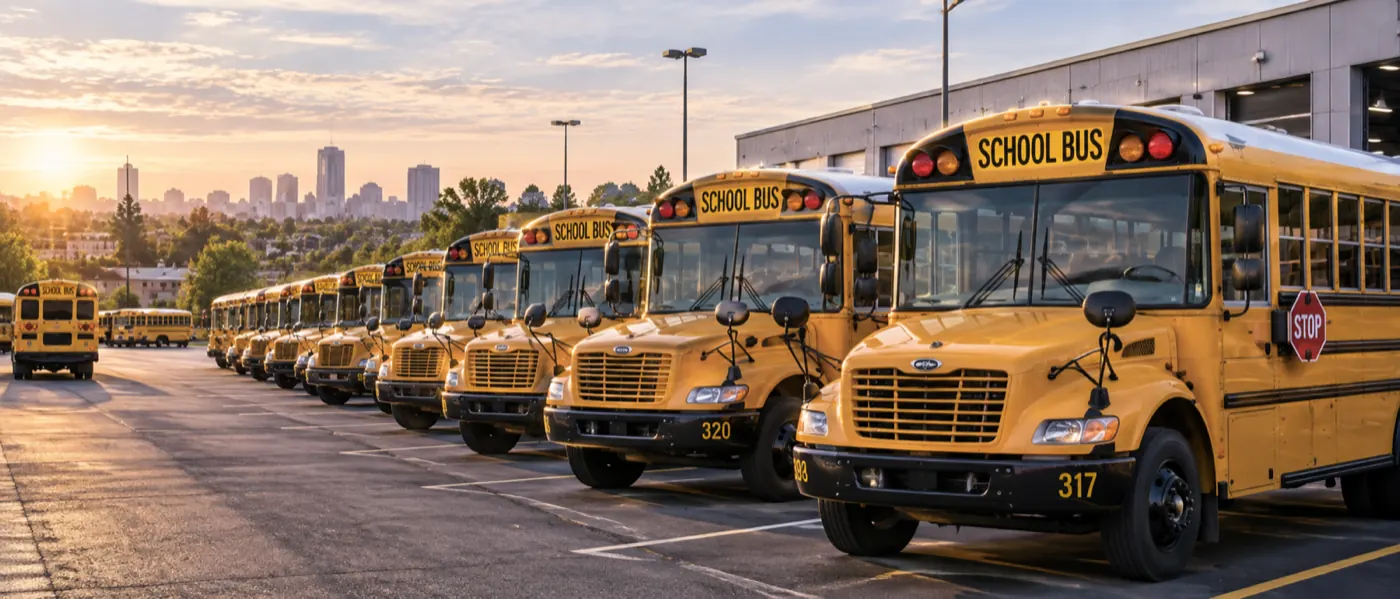
EverDriven Keeps the Fleet Moving and Protects What’s On Board
Education. Work orders, driver credentials and safety compliance on one record across 36 states.
EverDriven
Read their full story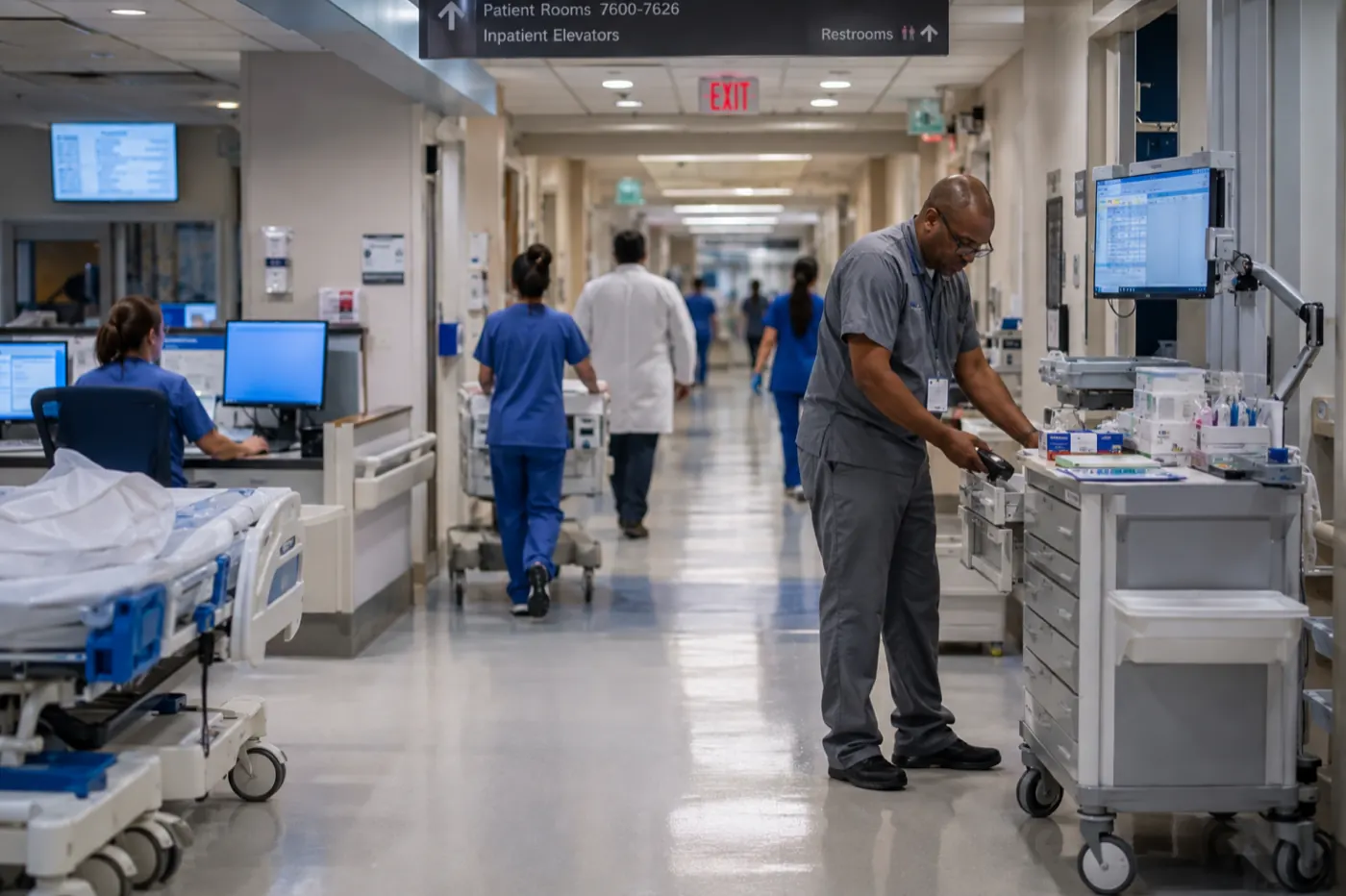
See the Process. Prove the Standard.
Healthcare. Process visibility and issue tracking across a large institution.
Northside Hospital
Read their full story
Off the Spreadsheet. Into One Connected Operation.
Field services. Work that sat delayed for weeks finishing in days.
Downer
Read their full storyAfter vetting out several other solutions, TrackVia quickly seemed like a perfect solution for us… Our needs change almost weekly as regulations and the industry evolve, and we needed the flexibility to constantly tweak our platform in real time.
Projects that used to sit delayed for weeks now finish in days or even hours.
With Excel, we couldn’t see what employees were doing. With TrackVia it’s easy to track work and view what exactly has been completed. This resulted in an 80% time savings.
I wound up being able to do the same amount of work with only eight people versus 13 and that became the driving factor for them to accept TrackVia.
We are very pleased with the ease of use of the mobile application. We are thrilled to have instant visibility of the sterilization process and to be able to see immediately where issues are occurring. This enables us to focus on our number one priority, which is our patients and their loved ones.
TrackVia has truly changed the game on software development and deployment. We created and rolled out a mobile workflow app with limited resources in a very short period of time.
Their solution provided the flexibility we needed to meet unique project requirements while affording visibility and control.
TrackVia has improved the accuracy of our data. In the past it was a chore for our coordinators to document issues in real time. Now, they can just open the mobile app or website, check a few boxes and they are done.
The first application I built—it was simple—I think it took 10 minutes.
Common questions
Does this connect to our student information system?
Can staff raise a request without a license?
Can we see which buildings cost us the most?
Do we start from scratch?
Can technicians use it with no signal?
Does it integrate with our other systems?
Can we change the workflow ourselves?
Can I get an answer from my data without building a report?
How long does implementation take?
Do you work with community colleges as well as four-year universities?
Where campus facilities teams start
These share the same records, so a check, the work it raises and the certification behind it stay on one job.
Ready to get started?
See how we fit your operation
A working session on the workflows your crews actually run.